 Dear Dr.Jeyamohan sir,
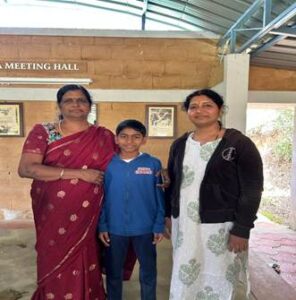
Greetings to you and I wish you a very happy and prosperous new year 2026. I am Srivallabh, studying Grade 7 at Velammal Bodhi Campus, Pallikaranai, Chennai. My mother and I attended botanical camp. This letter is regarding the experiences I had in Vellimalai while attending Dr Logamadevi’s Botany camp from 26th Dec 2025 to 28th Dec 2025.
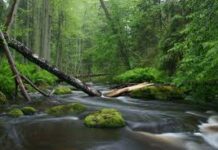
Unlike any of the hill stations which are almost like bustling cities with strangers roaming here and there, some with urgency, all these feelings were absent here which is why I liked this place very, very much. There was always nice, calm, cool and fresh air whipping past us, beautiful hills, plants, and trees were always in view. My friends woke up early every morning and went to the entrance gate to do bird watching/birding. More than the cool air whipping past us, there is something which looks stunning – the mist surrounding the hills, clouds moving so close to us, etc.
This botanical class was conducted by Dr. Logamadevi mam and her student, Dr. Menaka mam. They were indeed very kind and engaging to students and adults as well. I particularly enjoyed many of the powerpoint presentations (PPTs), tree hugging, botanical treks, the time when Mam asked us if we had any good experience with a tree or plant, botanical stories at night after supper and quizzes from them- I enjoyed every peaceful and knowledgeable moment of them.
I learnt many things, below am highlighting just a few of them:
1. At the simplest level, plants can be classified into cryptogams (also known as lower plants) and phanerogams are classified into two separate groups: Angiosperms and Gymnosperms.
Angiosperms are classified into monocot and dicot.
Examples of cryptogams are:
· Algae
· Fungi
· Lichens (combination of algae and fungi)
· Bryophytes
· pteridophytes
2. Different types of pollination done by different types of pollinators are:
· Entomyphli – insects
· Ornithophily – birds
· Anemophily – wind
· Hydrophilic – water
· Anthropophily – humans
3. Alien invasive species (IAS) – These are either plants, animals or microorganisms that are being introduced to a new place away from their natural habitat. Major IASs are
i. Parthenium
ii. Lantana
iii. Ipomoea
These plants create immense damage such as:
a. Causing damage to local ecosystems
b. Reducing soil fertility
c. Give allergies to human
d. Create damage to agriculture
4. How to differentiate between monocot and dicot:
a. Monocot:
i. only parallel venation
ii. examples – maize, wheat, and grass
iii. number of seeds (cotyledons) one (1)
iv. floral parts are arranged in multiples of three (such as petals, sepals and stamen)
b. Dicot:
i. Only reticulate venation
ii. Examples
iii. Number of seeds (cotyledons) – only two (2)
iv. Floral parts are arranged in multiples of four (4)
My learnings still go on and on… a lot of them I had not written in this letter. I look forward to more subsequent botanical classes from Dr Logamadevi Mam and Dr Menaka Mam.
In our house verandah there is a small garden – big enough to grow the plants like: Banana, money plant, hibiscus, Tulasi and rose. My mother Deepa pampers the plants and hugs them. I always wondered why she does this until Logamadevi mam taught us about tree hugging and that plants have emotions!
I thank you Dr J Sir, Dr Logamadevi Mam and Dr Menaka Mam.
Big thanks and regards for this wonderful opportunity you have given us.
Sincerely yours
Srivallabh V