Dear Jeyamohan,
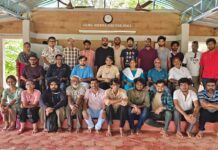
I learned that the Guru Nithya Literary Forum is about to take place. It seems to me that this literary gathering—which has been occurring continuously for so many years—has now reached its third generation. Although I reside abroad, I consistently follow the news and updates regarding these gatherings. I fondly recall many of the creators from the early days who participated in this forum—figures such as Ramesh, Prem, Yuva Vasuki, and Yuvan Chandrasekar. Subsequently, the next generation arrived. While a few of the current participants may be individuals who were present back then, the majority are probably young people.
Once creators have established their identity and recognition, they sometimes no longer feel a need for such forums. However, the next generation—for whom such forums are essential—continuously arrives. I extend my best wishes to you and your friends for conducting this event with unwavering enthusiasm over the years.
Sampathkumar
Dear Sampath,
When we first launched the Guru Nithya Literary Camp, many individuals who had already achieved recognition—such as Nanjil Nadan, Devadevan, and Pavannan—participated in it. Subsequently, many of the young creators of that era took part. Once they had established their own distinct identities and perspectives, such forums sometimes ceased to be a necessity for them. It is only natural that, at that stage, they would view venues dedicated solely to discussing their own works as the ones of primary importance. However, there is a certain segment of writers who continue to show a keen interest in engaging in dialogue with the next generation. They do not do this to entrench their own status nor to merely perpetuate their own legacy. Rather, they do so with the conviction that “literature”—as a dynamic movement—must continue to thrive and with the belief that what they themselves received from their predecessors ought to be passed on to the generation that follows them. This is precisely why this event holds such significance for literary creators. Figures like Nanjil Nadan, Devadevan, and Pavannan continue to engage in an ongoing dialogue with successive generations. Conversely, there are also those who do not participate in such dialogues; their absence should not be viewed as a failing on their part, but simply as a reflection of their own distinct nature.
Jeyamohan